Botox is a term that evokes the desire for ageless beauty, refined aesthetics and has become a staple in cosmetic treatments. Beyond its surface-level allure, Botox presents a fascinating interplay of science and beauty, offering a range of benefits that transcend mere cosmetic enhancements. The multifaceted world that is Botox will be explored in this article. Its origins, its applications and its profound effect on people who are seeking its transformational touch, all of which can be found within.
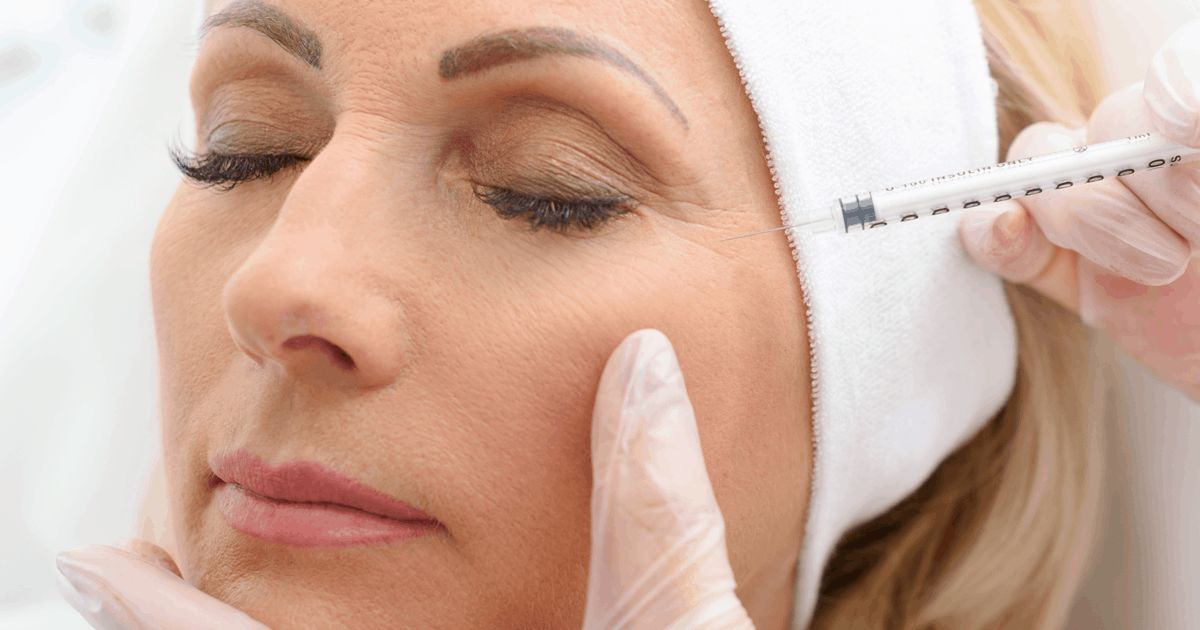
Botox, at its heart, is made from Botulinum Toxin.
This substance, produced by Clostridium Botulinum, causes the muscles to
temporarily paralyze. In the world of aesthetics, its primary function is to
temporarily paralyze muscles, which diminishes the appearance of facial lines
and wrinkles. The procedure, known for its minimally invasive nature, involves
injecting small quantities of Botox into targeted facial muscles. This cosmetic
application has gained immense popularity, primarily due to its quick results
and minimal downtime, making it a favored choice for individuals seeking to
rejuvenate their appearance without undergoing extensive surgical procedures.
The allure of Botox in the cosmetic industry is evident in its growing demand,
with millions of treatments administered annually, symbolizing its entrenched
status in beauty regimens around the globe.
Despite its popularity, Botox
is often misunderstood. Botox isn't a solution that fits all. It works best on
dynamic wrinkles, which are the ones caused by repetitive movements such as
frowning or smiling. These are in contrast to static wrinkles, which are the
result of aging and the loss of skin elasticity. Botox can be used to smooth out
frown, forehead, and crows' feet lines. Results are temporary, lasting between
three and six months. This means that repeat treatments will be required to keep
the skin smooth.
The scope of Botox
London goes far beyond vanity. The drug has been used to treat a wide range
of conditions. Chronic migraine sufferers have found relief with Botox
injections, which help in reducing the frequency and severity of headaches.
Neurology uses it to manage spasticity, muscle stiffness and conditions such as
cerebral palsy or multiple sclerosis. Botox is also effective at treating
hyperhidrosis, a condition that causes excessive sweating.:max_bytes(150000):strip_icc()/Botox-56a2707d5f9b58b7d0ca622e.jpg)
Hyperhidrosis is a condition where excessive
sweating occurs. Botox can be used to treat this. For individuals suffering from
this condition, Botox injections can provide significant relief by blocking the
nerves that stimulate sweat glands. Although less well-known than the cosmetic
application of Botox, this treatment has had an enormous impact on those with
hyperhidrosis. It offers them newfound confidence and comfort.
Looking
towards the future, the potential of Botox continues to expand. Researchers are
exploring new medical applications, such as its use in treating depression, by
targeting the muscles involved in facial expressions linked to the condition.
Studies are being conducted to improve the cosmetic results and formulations.
The evolution of Botox, from a toxic substance to a celebrated medical and
cosmetic tool, is a testament to the advancements in science and the ongoing
quest for both health and beauty.


No comments:
Post a Comment